
Why Riga's Thrift Shops Matter
Riga isn't just Latvia's capital — it's a treasure hunter's paradise. Walk through the Old Town and you'll find decades of history tucked into narrow storefronts. But here's the thing: the best finds aren't always obvious. You need to know where to look, what to look for, and how to spot genuine vintage pieces versus mass-produced knockoffs.
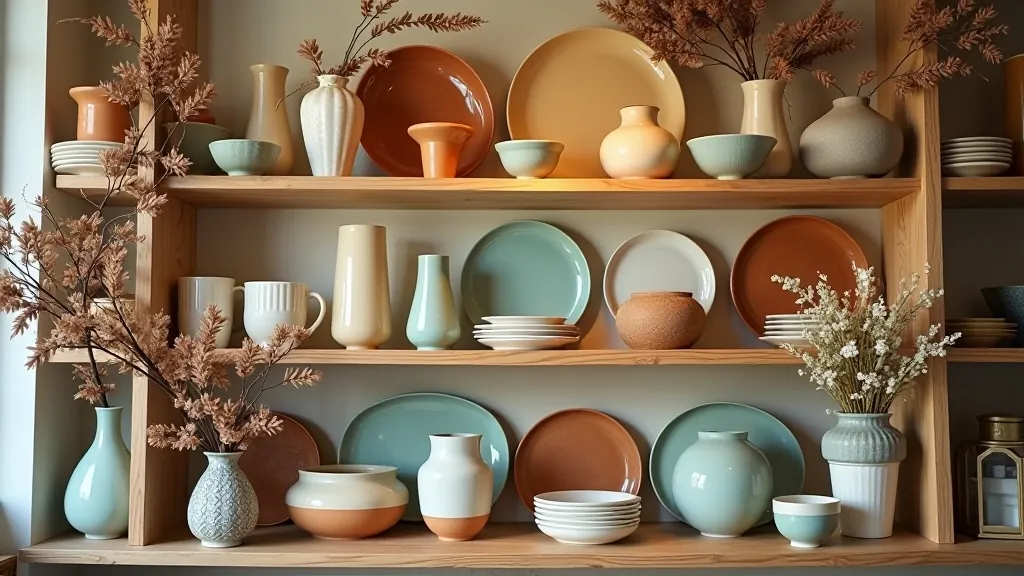
Over the past decade, thrift shopping in Riga has transformed from a practical necessity into a genuine lifestyle choice. Locals aren't just saving money — though that's definitely part of it. They're finding pieces with soul. A hand-painted ceramic bowl from the 1970s. A linen tablecloth woven on someone's loom. A wooden chair that's been repaired twice and probably has another 30 years in it.
The real magic isn't the price tag — it's the story. Every piece you find has already had a life. Maybe it was someone's grandmother's favorite mug. Maybe it came from a design studio closing down. That history is exactly what makes a room feel lived-in, warm, and genuinely yours.
The Best Neighborhoods to Start
Quiet Districts with Real Finds
Skip the touristy Old Town for a moment. The best thrift shops cluster in quieter neighborhoods where locals actually live. Areas like Riga's Pārdaugava district have shops that've been there for 15+ years. The owners know their regular customers by name. They'll hold pieces for you. They'll tell you stories about where things came from.
Maskavas Street and the surrounding area has become a secondary hub. It's less crowded than the Old Town but equally packed with inventory. You'll find everything from Soviet-era glassware to handmade leather goods. The prices reflect actual value, not tourist markup.
What makes these areas different? The shop owners are curators, not just sellers. They're picky about what they stock. You won't find endless racks of identical items. Instead, you'll find carefully selected pieces that tell a story.
What to Actually Look For
Quality Over Everything
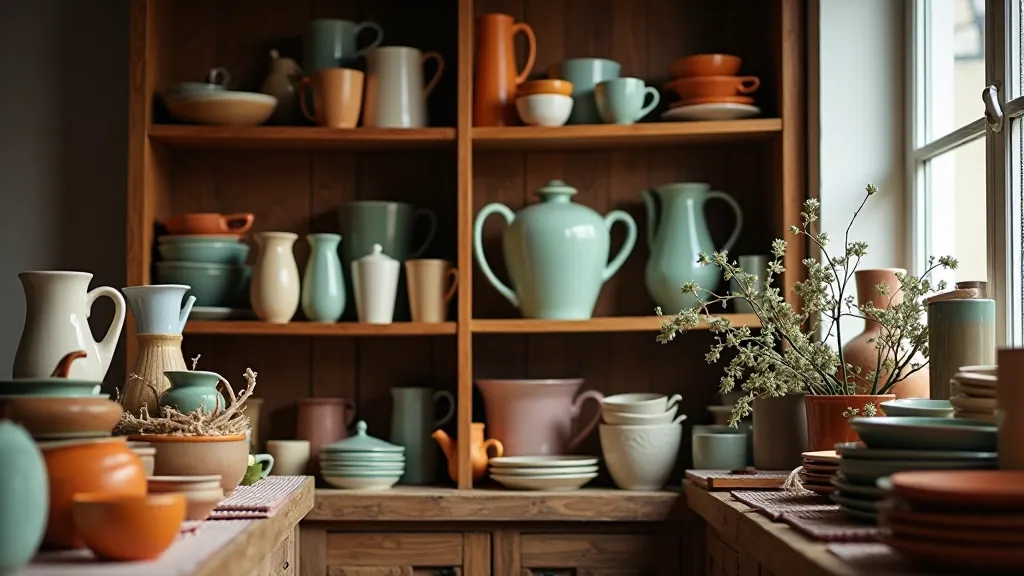
Don't fall for bulk buying. You're not shopping for quantity here. Pick up a ceramic piece and feel it. Real pottery from Latvia or Eastern Europe has a specific weight and texture. It's heavier than cheap imports. The glazing feels smooth, not slippery.
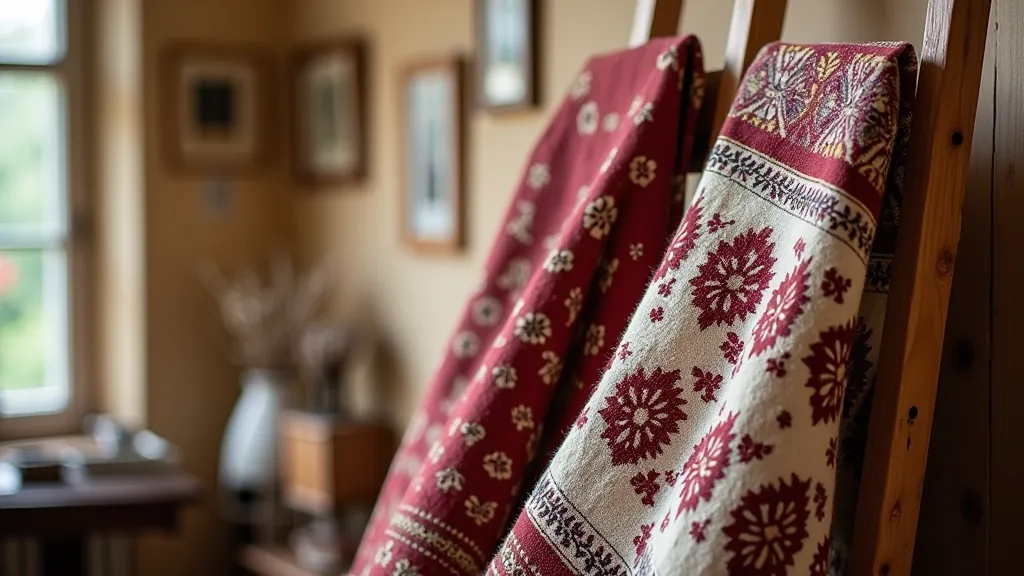
Textiles are where you'll find the biggest wins. Look for linens and wool — natural fibers that've actually improved with age. A 50-year-old linen cloth with some wear marks? That's authentic. That's what hygge is built on. Latvian weavers created textiles meant to last multiple generations. You can feel the difference immediately.
Avoid anything with electrical cords unless you know exactly what you're getting. Stick with solid objects: wood, ceramic, glass, metal, fabric. These don't deteriorate. They just develop character.
The Hunting Strategy
Go Early, Go Often
Weekday mornings are your friend. Popular shops get picked through by serious collectors before lunch. But don't skip weekends either — you'll see different inventory and different crowds. The same shop might rotate stock multiple times weekly.
Know What You're Actually Looking For
Don't wander aimlessly. You'll either buy everything or nothing. Before visiting, decide: Do you need textiles? Ceramics? Lighting? Wooden pieces? Having a loose framework prevents decision paralysis and helps you spot genuine finds faster.
Build Relationships With Shop Owners
Return to the same shops. Chat with the owners. Tell them what you collect or what you're looking for. They'll save pieces. They'll call you when something special arrives. Some shop owners in Riga have been doing this for 20+ years and genuinely care about matching pieces with the right people.
Check Everything Carefully
Chips, cracks, and stains tell a story — sometimes a good one. But some damage is just damage. Run your fingers over ceramics. Hold glassware up to light. Smell textiles (seriously). You're investing time and money. Make sure it's worth it.
Budget That Actually Works
Here's what you won't hear from most guides: thrifting isn't automatically cheap. A beautiful handwoven Latvian runner? That's going to cost money because it should. It took someone hours to make it. It's 40+ years old and still beautiful.
But you can absolutely build a cozy home on a real budget. The trick is patience. Spend 20 euros on a gorgeous ceramic bowl instead of 60 euros at a design shop. Find wooden spoons, linen napkins, and glass jars for a fraction of what IKEA charges. Over time, a collected space built this way actually costs less than a decorated-all-at-once apartment.
Set a realistic budget and stick to it. Most people spend 10-30 euros per visit in Riga's thrift shops. That's enough to find something genuinely special without impulse buying.
A Note on Sourcing
This guide reflects personal experience and conversations with Riga residents and shop owners. Thrift shop inventory changes constantly — what's available today might be gone tomorrow. Shop names, locations, and inventory are not guaranteed. Prices vary based on current demand and shop-specific policies. Always inspect items carefully before purchase, and confirm shop hours before visiting, as some smaller shops keep irregular schedules. This guide is informational and intended to help you understand thrifting culture in Riga, not as a definitive directory.
Start Your Hunt
Riga's thrift shops aren't just stores. They're where Latvian design history lives. They're where budget-conscious living meets genuine aesthetics. You'll walk out with pieces that carry stories, that fit your space perfectly, and that cost a fraction of what you'd spend elsewhere.
Start with one neighborhood. Pick one shop. Go back three times. By then you'll understand the rhythm, the quality markers, and where the real treasures hide. That's when thrifting stops being a money-saving tactic and becomes genuinely enjoyable.