
Why Make Your Own Textiles?
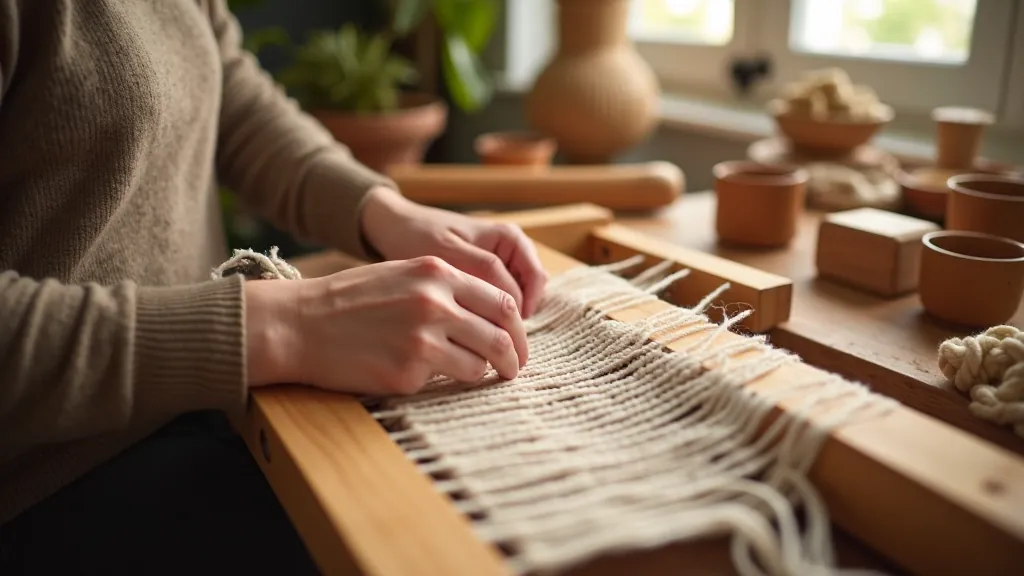
Creating textiles at home isn't just about saving money — though that's definitely part of it. When you weave, macramé, or knit your own cushion covers and wall hangings, you're bringing something genuinely yours into your space. No two pieces are identical. Each one carries the time you spent making it, the choices you made about colors and patterns, and the imperfections that actually make handmade items beautiful.
We've found that people who start making textiles often discover it's meditative. Your hands are busy, your mind quiets down, and suddenly you've created something tangible. Plus, natural materials like cotton, linen, and wool from local suppliers cost far less than manufactured décor items, yet they feel infinitely more special in your home.
Hand Weaving: Start Simple
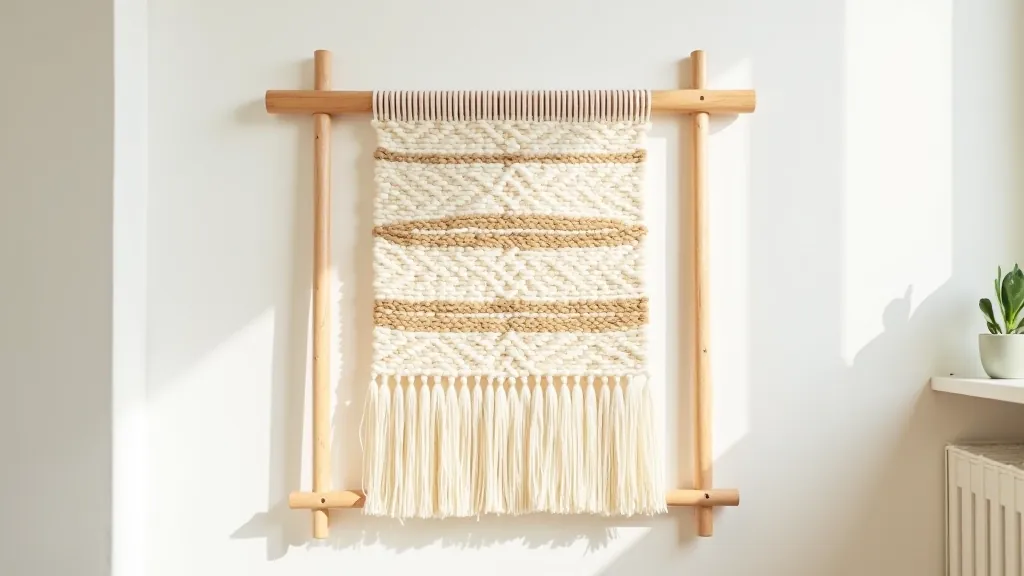
Hand weaving is far easier than most people think. You don't need expensive equipment. A simple wooden frame loom — which you can make yourself or buy for under €15 — is your starting point. Cardboard looms work too if you're testing things out first.
The basic process: You wrap yarn vertically (the warp) around your loom, then weave yarn horizontally (the weft) over and under. That's it. Beginners typically spend 3-4 hours making their first small wall hanging, maybe 20x20 cm. By your third or fourth project, you'll understand the rhythm and can work faster.
Pro tip: Don't aim for perfection. The wonky lines and color variations are what make handwoven pieces look authentic and intentional.
Macramé Wall Hangings
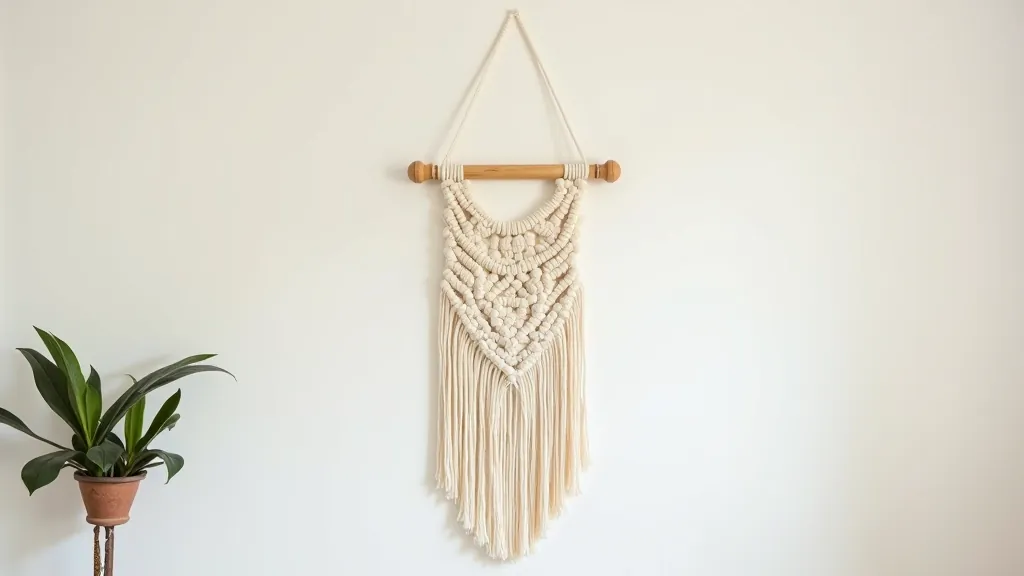
Macramé uses knotting techniques to create texture and pattern. It's become popular again, and there's good reason — the results look expensive even when made from basic cotton rope you'd find in any hardware store.
You're really only learning 3-4 basic knots: the square knot, half-hitch, and spiral knot. Once you understand how to tie these, you can create dozens of patterns. Most people complete their first simple wall hanging in about 5-6 hours, and it genuinely looks like something you'd pay €40-60 for in a shop.
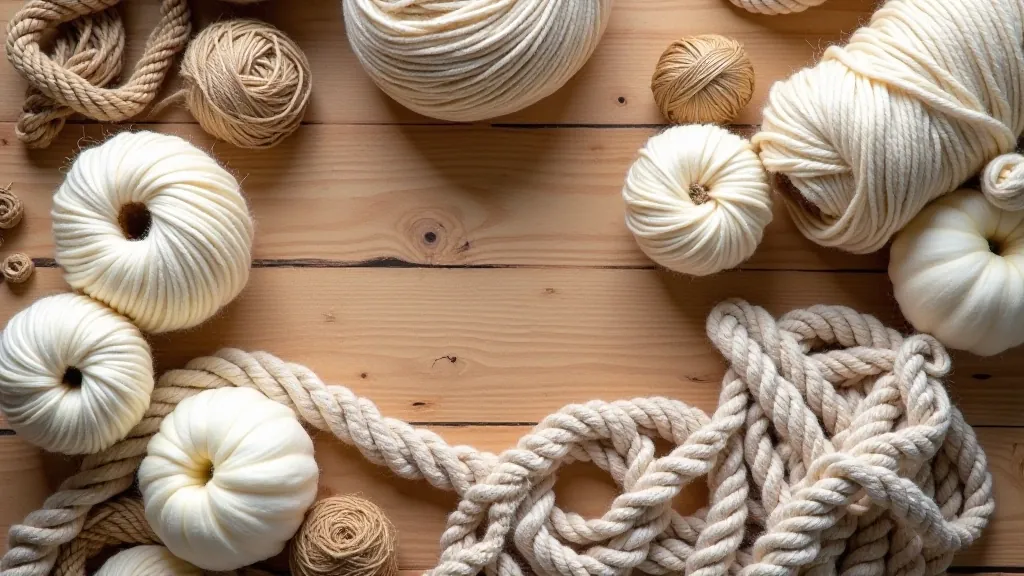
The materials cost barely €5 — a 50-meter bundle of cotton rope, some wooden dowels or branches for the hanging rod. That's before you even factor in how many projects you can make from one bundle.
Knitted Cushion Covers
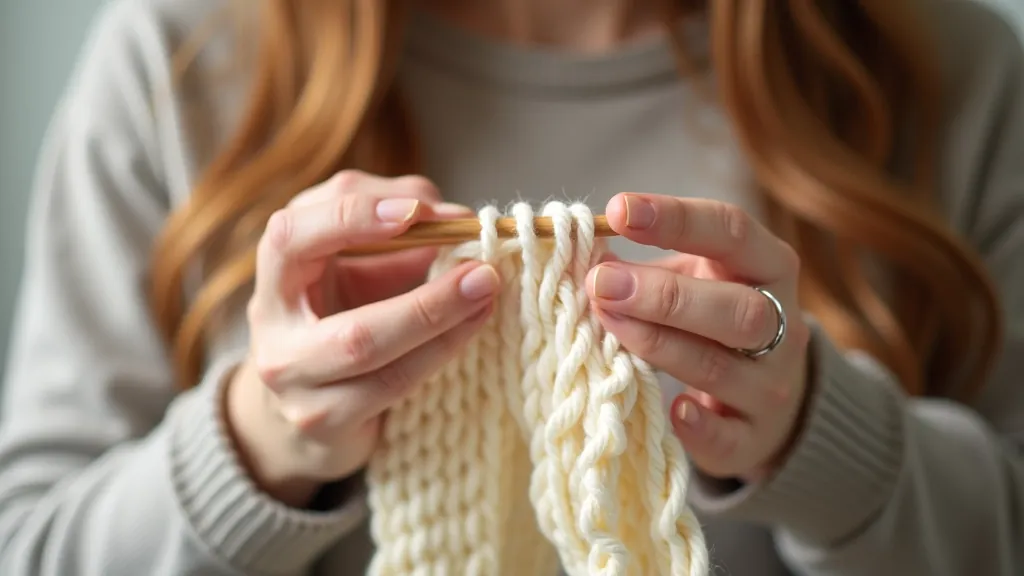
If you already know how to knit, making cushion covers is straightforward. But if you're new to knitting, a cushion cover is actually an excellent first project. You're really just making a rectangle in the most basic stitch (garter stitch or stockinette), which becomes meditative once you get into the rhythm.
A cover for a standard 40x40 cm cushion takes most people 8-12 hours of actual knitting time, split across a few weeks. The yarn cost? Around €8-12 for quality wool. You'll end up with something uniquely yours that's warm, durable, and gets softer with every wash.
Real talk: Your first cover might have some tension inconsistencies. That's completely normal. They still look beautiful, and honestly, those small imperfections are part of the charm.
Materials You'll Actually Find Locally
The beauty of these projects is you don't need specialty craft stores. Here's what works and where to find it in Latvia:
Cotton Yarn & Rope
Local textile suppliers in Riga carry cotton yarn in natural shades. Hardware stores sell cotton rope in bulk. Budget €5-15 per project.
Wool & Linen
Latvian wool is excellent quality and increasingly available in local shops. Linen's traditional here too. Expect €3-8 per 50g skein.
Wooden Looms & Dowels
Build your own frame loom from scrap wood or buy simple wooden frames. Dowels from builders' merchants cost pennies.
Natural Dyes
Want to dye your own materials? Onion skins, walnut husks, and madder root create beautiful earth tones and cost almost nothing.
Getting Started This Weekend
Pick Your Project
Macramé is probably the fastest if you want visible results quickly. Weaving's meditative. Knitting takes longer but teaches you a skill you'll use forever.
Gather Materials
Total spend: €10-20. One trip to a local shop or online order. You probably already have some yarn at home.
Find a Tutorial
YouTube has thousands of beginner tutorials. Follow along once, then you've got the technique. No need to memorize anything.
Make Something
Your first attempt won't be perfect. That's expected and fine. By project two, you'll understand what you're doing.
The Real Value
Yes, you're saving money compared to buying finished items. A handwoven wall hanging or knitted cushion cover costs a fraction of what you'd pay in a shop. But that's almost secondary to what you actually get: something that's entirely yours, made with your hands, reflecting your taste and patience.
Your home becomes genuinely personal. Not decorated, but lived in. Every textile you make is a conversation starter. People notice when something's handmade. They ask about it. And you get to explain how you made it.
Start this weekend. Pick one project. Spend the time. Your home — and honestly, your mind — will thank you.
Disclaimer
This article is for educational and informational purposes. The techniques and materials described are based on common DIY practices and personal experience. Results will vary depending on individual skill level, materials used, and practice. Always ensure materials are safe and appropriate for your intended use. If you have allergies or sensitivities to specific fibers, test materials before beginning a project.