
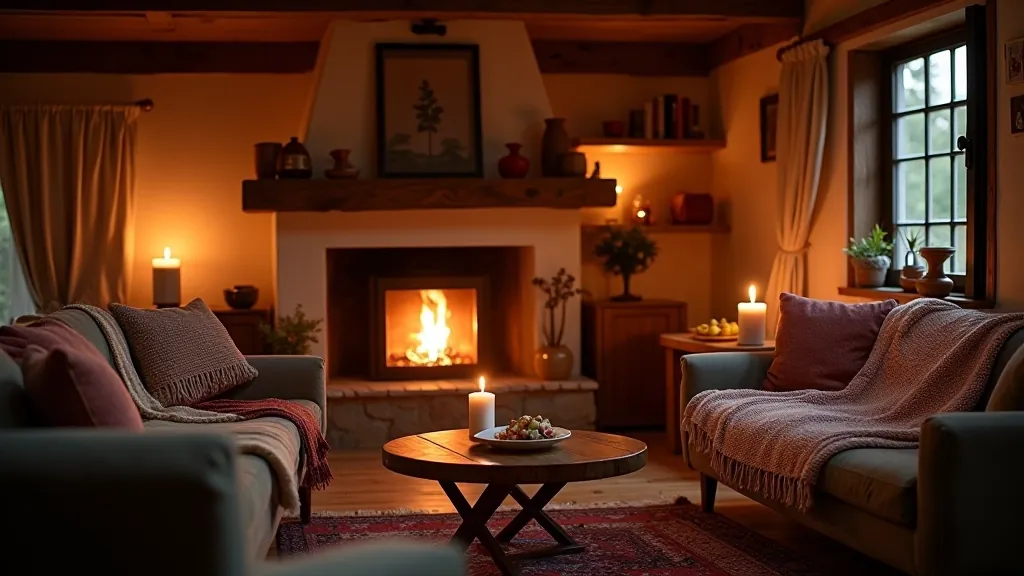
What is Hygge, Really?
Hygge isn't a product you can buy or a trendy design movement — it's a feeling. The Danish concept describes that warm, cozy contentment you get when everything feels right. In Latvia, we've been living this philosophy for centuries without needing a fancy word for it.
The word itself comes from old Danish, but the essence? That's universal. It's candlelight flickering while rain pats against the window. It's the smell of fresh bread and tea. It's sitting close to people you care about without needing to talk much. We've called it different things across generations, but Latvians absolutely understand it.
Light That Doesn't Sting Your Eyes
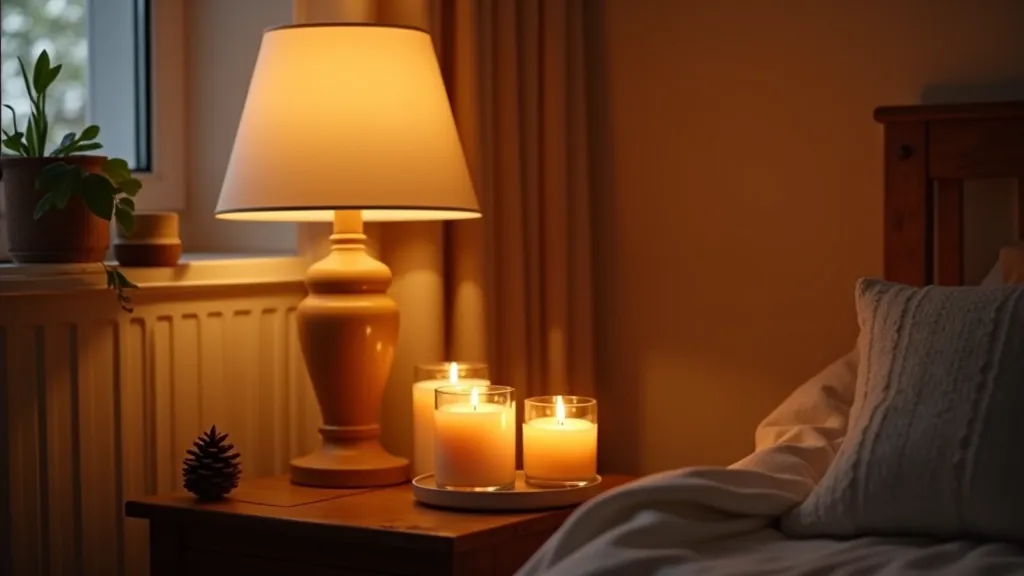
Harsh overhead lighting kills hygge instantly. We're not exaggerating — one bright ceiling fixture and the whole mood evaporates. Latvian homes have always understood this. Winter lasts forever here, so people figured out how to make light feel warm and welcoming rather than clinical.
Start by replacing your overhead bulbs with warmer color temperatures — 2700K feels cozy, while 4000K feels like you're in an office. But here's the real secret: layer your lighting. You'll want a main light source, then add lamps, candles, and string lights. The mix creates depth that flat overhead lighting never achieves.
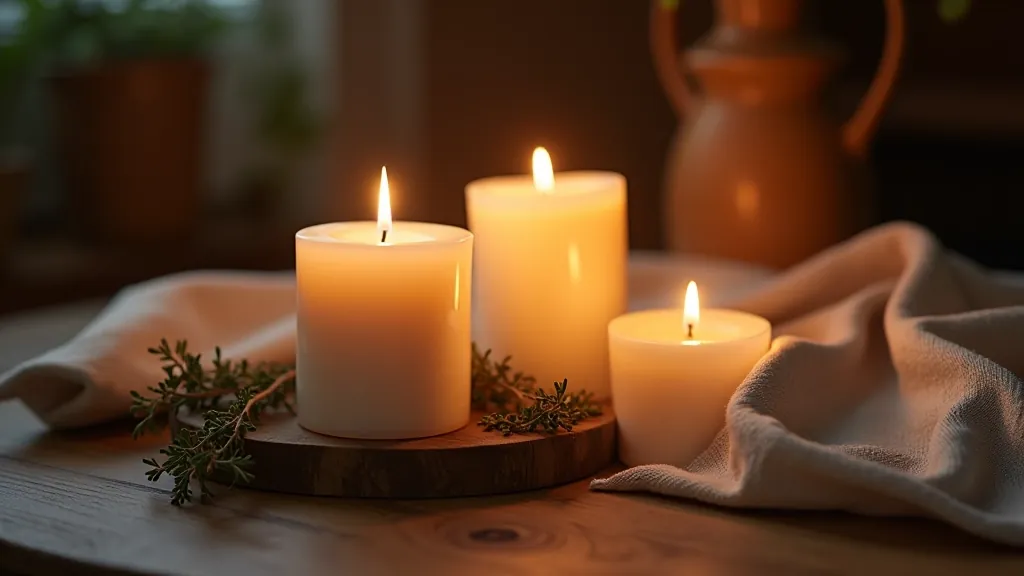
Candles are essential. Not as decoration — as actual lighting. Three to five candles placed around a room create that soft, golden glow that makes everything look better. Beeswax candles are ideal if you can find them, but any quality candle works. The point isn't expense; it's intentionality.
Natural Materials That Feel Honest
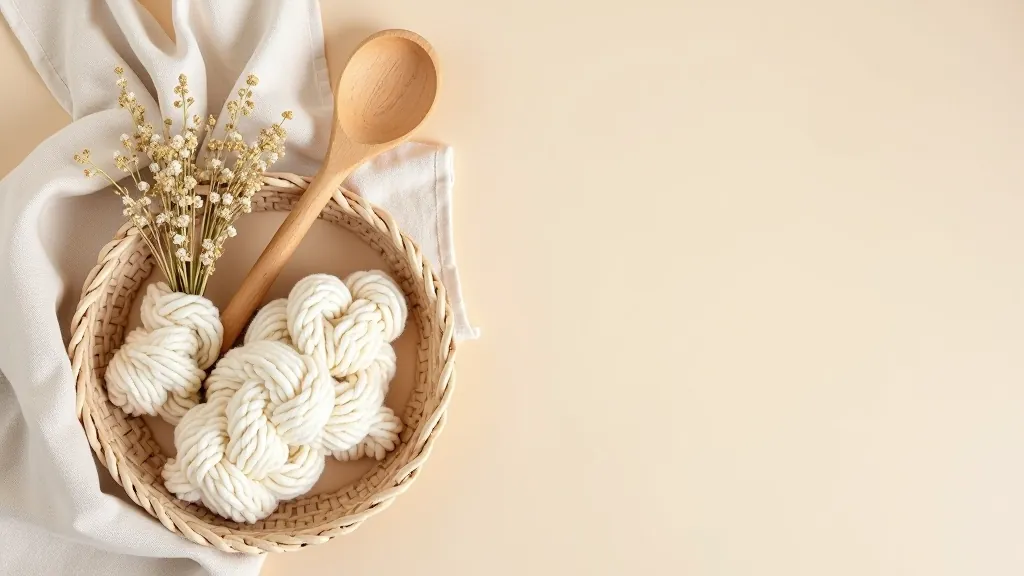
Plastic doesn't feel hygge. Synthetic fabrics don't feel hygge. There's something about touching real wood, wool, linen, or ceramics that your brain recognizes as authentic comfort. Latvia has always been a country of craftspeople who understood this instinctively.
You don't need everything to be handmade or expensive. A simple wooden spoon, linen napkins, or a knitted blanket creates that connection to real materials. Look for items with visible imperfections — the uneven weave, the knot in the wood, the slight color variation. These aren't flaws; they're proof of authenticity.
Thrift shops in Riga are goldmines for this. Vintage ceramics, old wooden furniture, linen textiles from decades ago — they cost almost nothing and carry history. A ceramic bowl from the 1970s feels more hygge than a pristine new one from a mass-market store.
Slowness as a Deliberate Choice
Hygge isn't rushed. You can't feel it while scrolling your phone or checking the time constantly. It requires you to slow down intentionally. That's perhaps the hardest part for modern life, but it's where the real comfort lives.
In Latvia, winter forces this naturally. Days are short — you finish work when it's already dark outside. There's no choice but to settle in. But you don't need to wait for winter. Start small: one evening a week where you turn off screens, light some candles, and sit with a book or tea. Just sit. That's it. Your nervous system will start recognizing this as safe and restorative.
Rituals matter. A morning tea ceremony. An evening walk. Reading the same book corner every week. These small, repeated acts signal to your mind that this time and space are protected. They're yours.

Five Things to Start With This Week
Buy Quality Candles
Not scented if you don't want — plain beeswax or soy candles work perfectly. Budget: €3-8 per candle. Get 3-5 to start.
Find One Cozy Corner
A chair by a window, a spot on your sofa, anywhere you can sit undisturbed. Add a blanket and pillow. This becomes your hygge headquarters.
Gather Textures
Wool blanket, linen throw, knitted cushion cover — things you can actually touch and feel. Thrift shops have abundance here for €1-3 per item.
Change Your Light Bulbs
Replace with 2700K warm white. Not expensive — €2-4 per bulb — but the impact is immediate and noticeable.
Pick a Ritual
Tea at 4pm. Evening walk. Reading by candlelight. Something small and repeatable that signals comfort to your mind.
About This Guide
This article is educational information about hygge principles and home styling. The recommendations are based on design principles and cultural traditions, not prescriptive rules. Your personal comfort and preferences matter most — hygge is about what makes you feel genuinely good, not following a specific formula. Adjust any suggestions to fit your space, budget, and lifestyle.
It Starts With Permission
The biggest barrier to hygge isn't money or design skills — it's giving yourself permission to prioritize comfort and slowness. In our productivity-obsessed world, sitting by candlelight reading a book feels like laziness. It's not. It's essential.
Latvia knows this. Latvian culture has always held space for quiet reflection, handmade beauty, and the simple act of being together. You're not inventing something new when you create hygge at home. You're returning to something ancient that your nervous system already recognizes as home.
Start this week. Light a candle. Sit in your corner. Let yourself feel what comfort actually is when you're not chasing anything.